Verdict distribution across runs
Run the same case twenty times with fresh panels. The spread tells you whether an outcome is signal or luck.
DEFENSE VERDICTPLAINTIFF VERDICT
Voir runs your case past AI juror panels calibrated to your venue, then hands you the full deliberation.
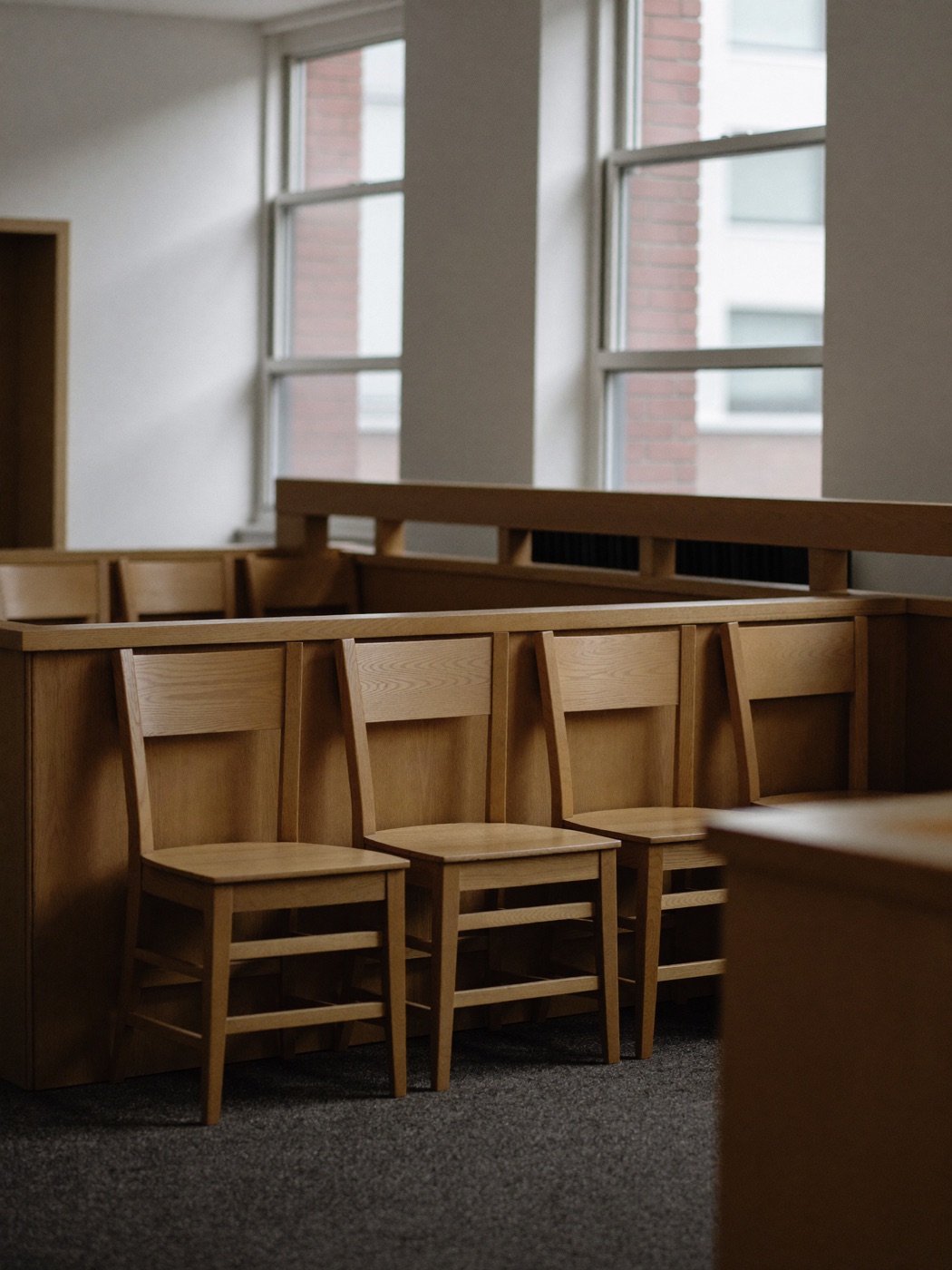
A full mock jury with no recruiting, no scheduling, and no conference room. You brief the panel the way you'd brief a colleague.
Upload the complaint, key exhibits, and both sides of the argument. Voir assembles the case file your jurors will hear.
Twelve AI jurors, drawn to match your venue's demographics, hear the case and argue it out among themselves.
Verdict splits, damages ranges, and the full deliberation transcript come back the same day you ask for them.
Quantitative signal you can put in a memo, and qualitative detail you can build a strategy around.
Run the same case twenty times with fresh panels. The spread tells you whether an outcome is signal or luck.
Where panels landed when they found liability, not a single number pretending to be certainty.
The moments that moved jurors, pulled from every transcript.
Every juror, every exchange, on the record. When a panel reaches a conclusion, you can read exactly how it got there.
Voir does not predict verdicts. No one can. It shows you how twelve reasonable people argue about your case: where they anchor, what they misread, and which exhibit flips the room.
Panels are drawn from public demographic data for your jurisdiction, not a national average. A panel in Wilmington argues differently than one in Chicago, and it should.
Every juror's reasoning is on the record. If a conclusion looks wrong, you can trace it line by line instead of taking a score on faith.
Run the case ten different ways before trial prep hardens. Save the live focus group budget for the version of the argument that survived.
Thirty minutes. Bring a closed case and we'll run it live, so you can check the panel against a verdict you already know.
Request received.
We'll reply within one business day to set up your thirty minutes.